top of page

Performance Engineering
Technical guides on engine, chassis, cooling, intake, exhaust and other performance upgrades for road, supercar and track applications.


Atmospheric Pressure and Engine Performance: Why Air Density Matters for Tuning
Atmospheric pressure has a direct influence on the amount of oxygen available to an engine. We examine how pressure, temperature, altitude and air density affect naturally aspirated, turbocharged and supercharged engines, ECU control strategies and dyno results.

Daniel Ecker
Nov 513 min read


BRISK Racing Spark Plugs: Types, Heat Ranges and Their Uses in Motorsport
BRISK produces several specialised spark plug designs for racing and high-performance engines. We examine Silver Racing, Iridium Racing, Extra Turbo Racing, LGS and other BRISK technologies, including correct heat-range selection, spark gap, electrode design and their use in naturally aspirated and forced-induction competition engines.
Daniel Ecker
Oct 3114 min read


What Is an EGR Valve? How It Works, Types, Faults and Diagnosis
The EGR valve is far more sophisticated than a simple emissions component. This technical guide explains exhaust gas recirculation, high- and low-pressure EGR, cooled EGR, ECU control, common failures, diagnostics and its real effect on engine performance.
Daniel Ecker
Oct 2418 min read


Fuel Chilling in Racing: The Engineering Behind Fuel Temperature and Performance
Fuel chilling lowers fuel temperature to increase density and stabilise delivery. We explain its real effect on injector flow, charge cooling and power, and where motorsport rules restrict it.
Daniel Ecker
Oct 1713 min read


Engine Pistons Explained: Types, Metallurgy, Manufacturing and Performance Applications
Engine pistons operate under extreme thermal, mechanical and inertial loading. This technical guide explains cast, forged and steel pistons, 2618 and 4032 aluminium alloys, manufacturing methods, thermal expansion, coatings and how piston design changes for road, high-performance and motorsport engines.
Daniel Ecker
Oct 1415 min read


Turbo Fuel Pressure Regulators: Fuel Pressure, Boost and Racing EFI Explained
Why does a turbo engine running 0.5 bar boost require less fuel rail pressure than one running 1.6 bar? The answer lies in injector differential pressure. This technical guide explains boost-referenced fuel pressure regulators, injector flow, pump capacity, racing fuel systems and why increasing boost places very different demands on the complete EFI system.
Daniel Ecker
Oct 1019 min read


Suspension Spring Design: Rates, Types & Engineering Guide
Spring rate is one of the most important parameters in suspension setup, but the number printed on a spring tells only part of the story. This technical guide explains spring rate, wheel rate, motion ratio, preload, ride frequency, linear and progressive springs, dual-rate systems and how they influence vehicle dynamics.
Daniel Ecker
Oct 311 min read
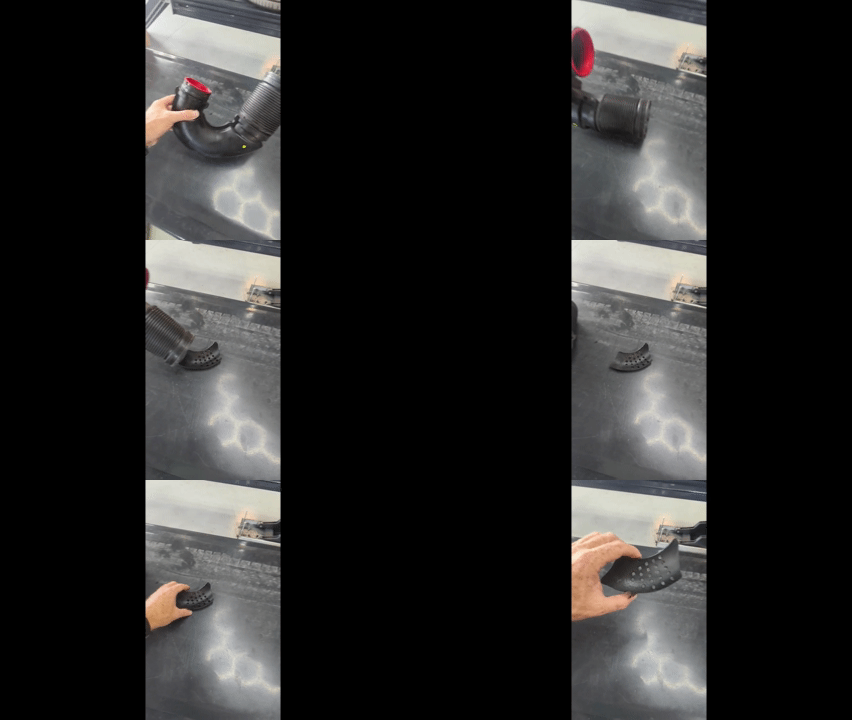
McLaren 720S & 765LT Air Intake Baffle Failure – Causes, Diagnosis & Solutions
A cracked or failed intake baffle on a McLaren 720S or 765LT can release plastic fragments towards the turbocharger inlet, potentially causing compressor damage, abnormal intake noise and reduced performance. We examine the failure mechanism, diagnosis and available repair solutions.
Daniel Ecker
Oct 29 min read


McLaren Tuning and Heat Soak: Why Hot-Condition Calibration Matters
A McLaren tune should not be judged by one impressive dyno pull. We explain why heat soak, lambda, knock control, fuel pressure and repeated high-load testing matter when calibrating a high-performance turbocharged McLaren.
Daniel Ecker
Oct 210 min read


Jaguar & Land Rover Ingenium Engine Tuning: Why the 2.0 Diesel Requires Caution
Jaguar Land Rover's 2.0-litre Ingenium diesel can produce impressive torque and economy, but documented timing-chain, balance-shaft and emissions-system concerns make it a platform that deserves careful diagnosis before tuning. We examine DPF regeneration, oil dilution, turbocharger loading, BMEP, the differences between lower-output engines and the factory D240, and why maximum Stage 1 figures are not always good engineering.
Daniel Ecker
Sep 1215 min read


Fuel Injectors in Cars and Motorsport: Types, Uses and History
Fuel injectors must deliver the correct quantity of fuel at the correct pressure and time. This guide explains injector types, sizing, calibration, history and motorsport applications.
Daniel Ecker
Sep 317 min read


Standalone ECU Systems in Performance Cars and Motorsport
A standalone ECU gives tuners and race engineers direct control over fuel injection, ignition timing, boost, electronic throttle, data logging and engine protection. This guide explains how standalone engine management works, when it is necessary and how it is used in performance cars and motorsport.
Daniel Ecker
Sep 216 min read


History of Chip Tuning: From EPROM Chips to Modern ECU Remapping
Discover how chip tuning evolved from physically replacing ECU memory chips to modern software calibration using flash programming, datalogging and advanced engine-management strategies.
Daniel Ecker
Aug 3115 min read


Rear Wing Aerodynamics: Types, Aerofoil Profiles, DRS and Gurney Flaps Explained
Rear wings generate downforce, but their profile, angle of attack and interaction with the rest of the car decide how well they work. This guide explains wing types, aerofoil profiles, DRS, active aero, Gurney flaps and correct setup for road and track cars.
Daniel Ecker
Aug 3015 min read


Roll Cages Explained: Types, Installation, Setup and Motorsport Use
A technical guide to race car roll cages, including their history, different designs, structural components, materials, installation requirements, effect on chassis setup and common safety mistakes.
Daniel Ecker
Aug 2915 min read


TPMS Explained: How Tyre Pressure Monitoring Systems Work, Their Function, Maintenance and History
Discover how direct and indirect TPMS work, what the tyre-pressure warning light means, how sensors and valves should be maintained, and why correct tyre pressure is essential for safety and performance.
Daniel Ecker
Aug 2713 min read


Wheel Spacers Explained: Uses, Risks and Effects on Dry and Wet Roads
Wheel spacers can improve wheel clearance and appearance while subtly changing a vehicle’s track width and steering geometry. However, incorrect spacers, unsuitable fasteners or excessive thickness can cause vibration, clearance problems and additional stress on wheel and suspension components.
Daniel Ecker
Aug 269 min read


Engine Internals for Highly Tuned Engines: What Must Be Upgraded and Why
Forged pistons and connecting rods are only part of a reliable high-power engine build. Discover how pistons, rings, bearings, fasteners, crankshafts, valvetrain components and precision machining work together inside a highly tuned engine.
Daniel Ecker
Aug 2513 min read


Center-Lock Wheels vs Traditional Wheels: History, Engineering and Real-World Advantages
Center-lock wheels are one of the most recognisable details on racing cars and modern supercars, but are they genuinely better than traditional multi-bolt wheels? We examine their history, engineering, advantages, disadvantages and demanding maintenance requirements.
Daniel Ecker
Aug 2411 min read


WinOLS vs ECM Titanium vs Magicmotorsport StageX: Understanding Professional ECU Tuning Software
WinOLS, ECM Titanium and StageX can all be used to modify ECU calibration files, but they approach the job very differently. We examine their capabilities, limitations and professional applications.
Daniel Ecker
Aug 2318 min read
bottom of page